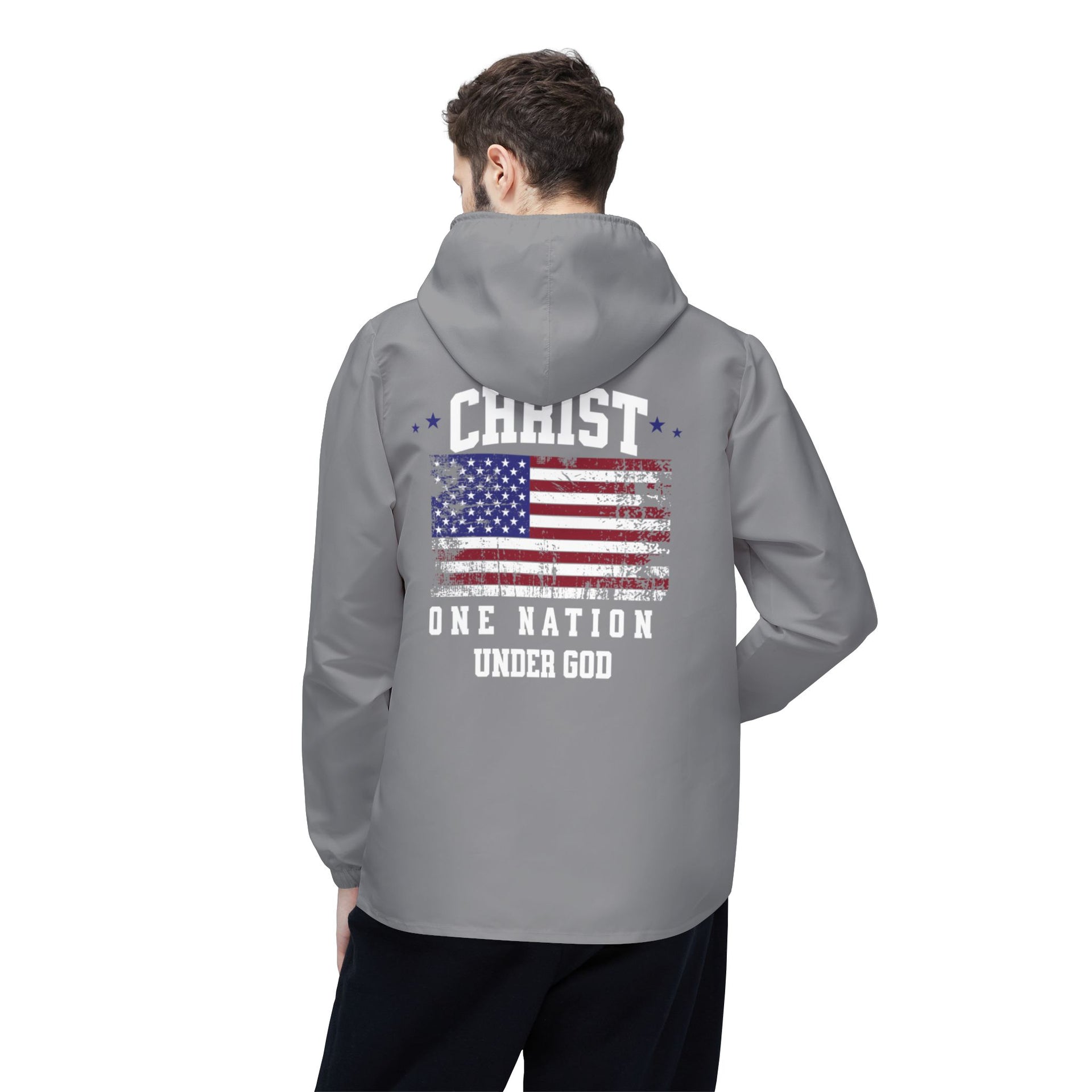

In fashion, luxury and spirituality may seem like two worlds apart, one focused on elegance and opulence, and the other centered on modesty, purpose, and faith. Yet, there is much that faith-based designers can learn from Christian Dior Apparel, a name synonymous with sophistication and artistry. Dior’s legacy isn’t just about glamour; it’s about understanding design as a language that reflects deeper ideals, something Christian creators also seek to achieve.
By studying how Dior balanced aesthetic precision with emotional resonance, faith-based designers can draw lessons on how to build apparel that expresses conviction without losing beauty, form, or modern relevance.
This article explores seven key lessons faith-inspired designers can learn from Dior’s fashion philosophy, while staying true to their mission of glorifying God through creativity and craftsmanship.
Things Faith-Based Designs Can Learn From Christian Dior Apparel
Here are some things that faith-based designs can learn from Christian Dior Apparel.
1. Dior’s Emphasis on Purposeful Design
Every Christian Dior Apparel collection began with a clear intention: to make women feel elegant, strong, and dignified. His designs weren’t random or trend-driven; they carried purpose. Likewise, faith-based apparel should start with purpose, not production.
A Christian clothing line isn’t simply about printing scripture on a shirt; it’s about embedding meaning in design. This could mean using silhouettes that express grace, fabrics that prioritize comfort and modesty, or patterns that symbolize renewal and hope. When each design choice reflects a deeper purpose, faith-based fashion becomes more than merchandise; it becomes a visual expression of belief.
Learning from Dior’s intentionality reminds designers that every stitch should serve a story, just as every sermon carries a message. Purpose-driven creativity is what gives apparel its emotional and spiritual depth.
2. Craftsmanship Over Commercialization
One of Christian Dior's greatest contributions to fashion was his commitment to craftsmanship. His garments were expertly tailored, emphasizing quality over quantity. In a world full of fast fashion, Dior’s approach reminds faith-based designers that quality is a form of respect, both for the customer and for the Creator.
When people wear faith-based apparel, they are representing a message of spiritual conviction. Poorly made clothing undermines that message. By prioritizing quality fabrics, durable stitching, and comfortable fits, designers show integrity and care, values deeply aligned with biblical principles.
In essence, excellent craftsmanship is an act of worship. It honors God by reflecting diligence and stewardship. Dior’s example teaches that spiritual branding is strengthened not by slogans but by the excellence that supports them.
3. Storytelling Through Design
Dior’s genius lay in making beautiful garments and creating stories that touched emotions. Each collection had a theme that conveyed a feeling: hope after war, rebirth, or femininity in strength. Faith-based fashion can adopt the same storytelling power.
For example, a Christian designer could create a collection inspired by the armor of God, using metallic tones and structured fabrics to symbolize spiritual strength. Another could draw on the fruits of the Spirit, with each color or pattern representing love, joy, peace, or patience.
Storytelling helps transform faith-based clothing from being only declarative (“I believe”) to being experiential (“I feel and live this truth”). Christian Dior Apparel showed that when clothing connects emotionally, it becomes timeless, and this emotional connection is equally vital in spiritual apparel.
4. Balancing Modesty and Modernity
Christian Dior Apparel revolutionized fashion with his “New Look” in 1947, a silhouette that celebrated femininity while maintaining refinement. It was structured yet soft, elegant yet modest. For Christian designers, this balance offers a valuable lesson: faith-based clothing doesn’t have to sacrifice style for modesty.
Modern believers want to express their faith without appearing outdated. By studying Dior’s mastery of proportion, fabric flow, and elegance, faith-inspired brands can design modest yet fashionable pieces that empower rather than restrict.
True modesty is not about hiding; it’s about honoring the body as a temple. Dior’s design principles show how shape, tailoring, and subtlety can create garments that are both dignified and beautiful, aligning perfectly with Christian values of grace and integrity.
5. The Power of Branding
Dior understood the power of brand identity. His signature style, a cinched waist, flared skirt, and refined femininity, was instantly recognizable. For faith-based designers, maintaining brand consistency is equally important.
A Christian fashion brand should have a clear visual and spiritual identity. This includes consistent use of symbols, typography, color palettes, and tone of communication that reflect its beliefs. For instance, using soft neutrals can represent humility, while gold accents can symbolize divine glory.
Christian Dior Apparel built a global empire because his audience knew exactly what to expect: elegance, quality, and emotion. Likewise, faith-based designers can establish trust by communicating a clear message of purpose and maintaining visual harmony across all collections, packaging, and storytelling.
Consistency helps customers not just recognize the brand but also connect with its mission, which is to wear faith as part of daily life.
6. Embracing Innovation Without Compromising Values
Christian Dior Apparel was not afraid to innovate. His post-war designs were radically new, challenging norms and redefining beauty. Yet, his innovations were rooted in respect for tradition and artistic integrity. This balance between innovation and value preservation is critical for faith-based brands today.
In a market dominated by trends, faith-based designers often fear losing authenticity if they adopt modern styles. However, innovation does not mean compromise; it means reimagining timeless truths in contemporary forms.
This could involve:
• Using sustainable materials to reflect stewardship of creation.
• Adopting digital design tools for greater precision and creativity.
• Exploring gender-inclusive or adaptive clothing that expresses Christian inclusivity and compassion.
The lesson from Dior is clear: evolve, but never forget your roots. Faith-based apparel can stay culturally relevant while remaining spiritually grounded.
7. Redefining Luxury Through Light
Luxury in Dior’s world meant fine materials, exclusivity, and artistry. But for Christian creators, true luxury lies in light, the radiance of faith that shines through every piece of design.
This means shifting focus from what looks expensive to what feels eternal. A faith-based brand can express “luxury” through intentional simplicity, ethical sourcing, fair labor, and messages that uplift. When a garment inspires reflection, peace, or gratitude, it carries a spiritual luxury no label can replicate.
Christian Dior Apparel taught the world to associate fashion with emotion and identity. Faith-based designers can elevate that idea further by making apparel that connects beauty with belief, style with spirit, and comfort with conviction. That is where light meets luxury.
Wrap Up
Christian Dior’s fashion philosophy teaches that great design begins with meaning. Faith-based designers can learn from his artistry, his craftsmanship, storytelling, and brand integrity, while keeping Christ at the center.
Luxury and light don’t have to oppose each other. When guided by purpose, creativity becomes a form of worship, and design becomes ministry. Dior’s legacy reminds us that faith-driven designers can bring beauty into the world without losing conviction, by merging excellence with humility, elegance with modesty, and luxury with light.
Wear something that honors God. We, at RYF Apparels, offer you a wide range of designs to choose from, so you can honor God in all you do. Add to your cart now!